
Child Smile
Child Smile works to support children in Gaza. Children are predominantly displaced and have lost their homes, with several groups also including children who had lost one or both parents, children affected by war related injuries, and children experiencing additional vulnerabilities.
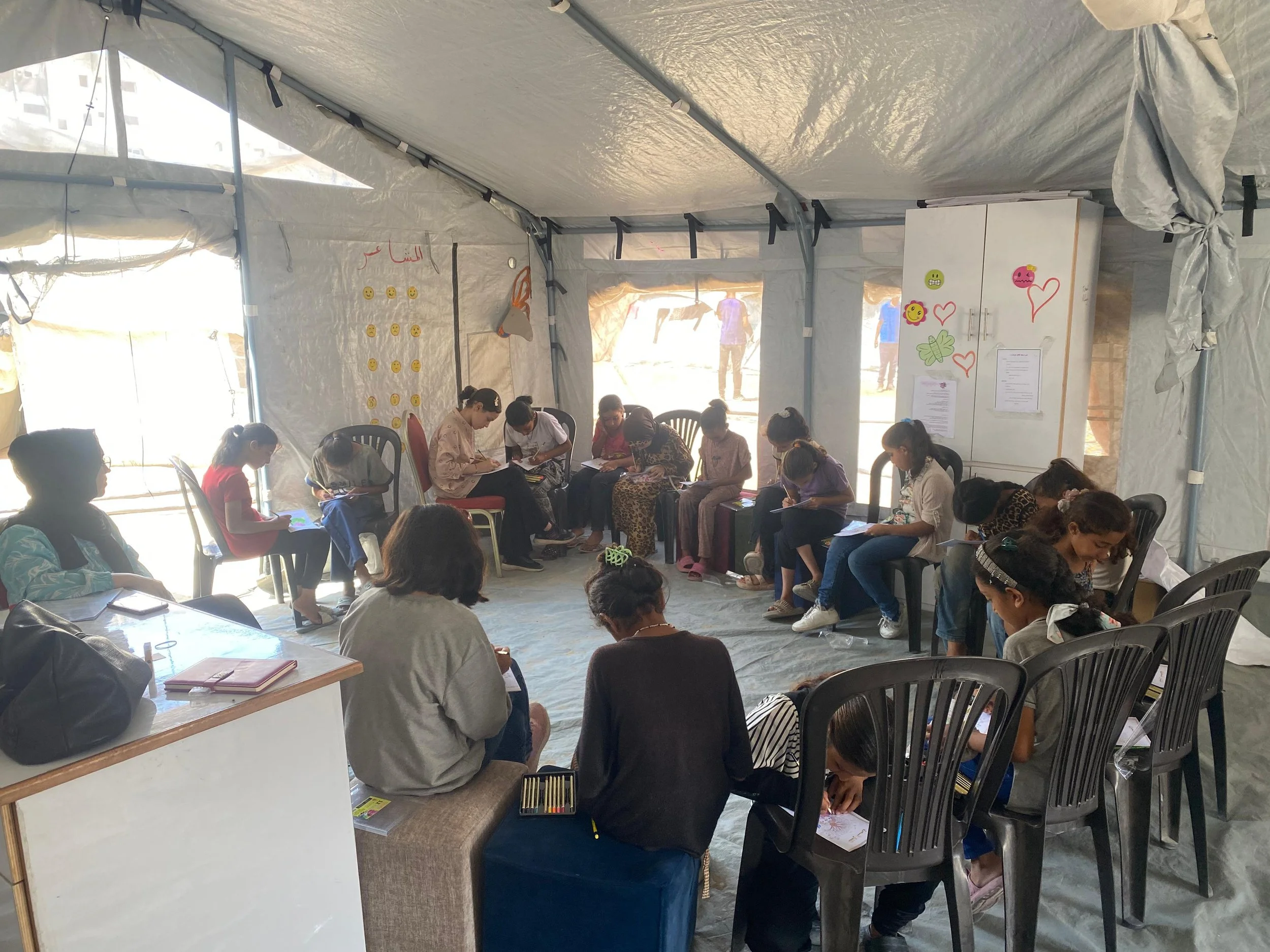
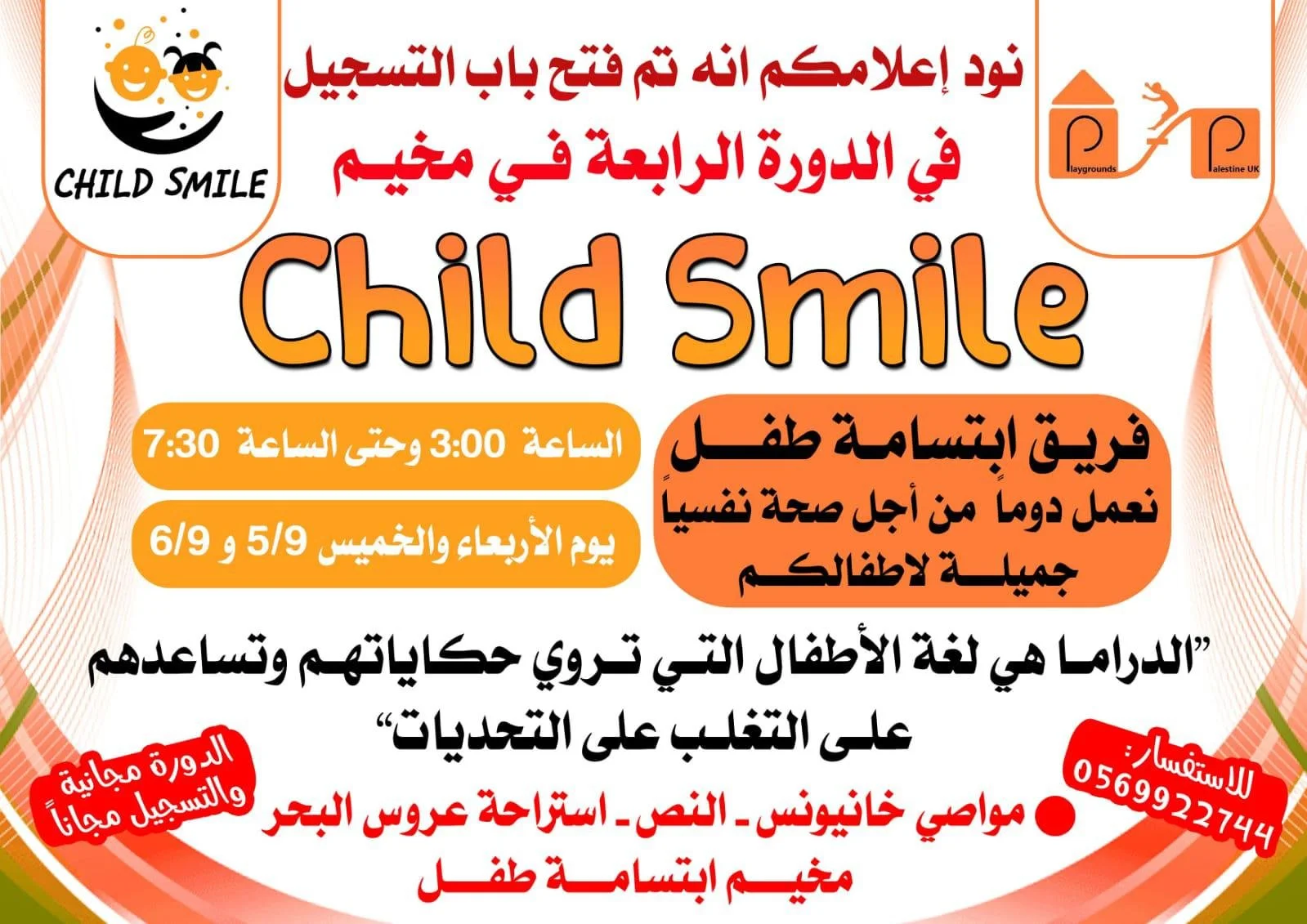
The information collected during the workshops indicates that children continue to carry significant emotional and psychosocial burdens. Across different locations, participants spoke about fear of sudden and loud sounds, anxiety about losing family members, insecurity, anger, loneliness, boredom, displacement, separation from friends, and the loss of familiar homes and routines. The workshops support children in dealing with life as changed by the war.
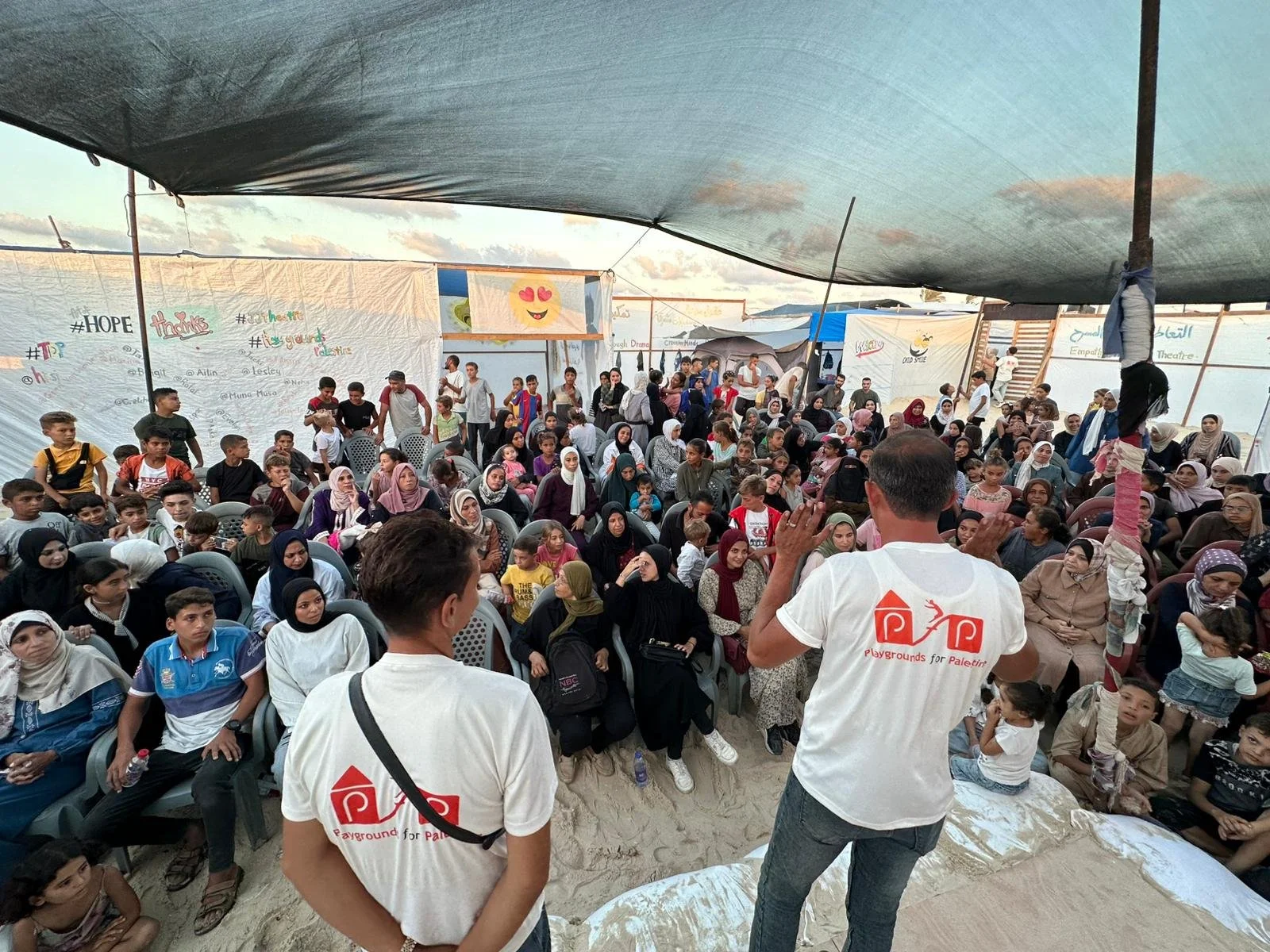
The workshops represented more than a recreational activity: they provided children with a temporary space where they could play, interact, express emotions, listen to stories, and experience a sense of belonging and normal childhood.
“It (the workshops) helped me understand that the difficult circumstances surrounding me were not my fault and that I could instead focus on things within my control, such as words, relationships, self-care, and behaviour. ”
One of the strongest outcomes reported across the workshops was children's increased ability to identify and express their emotions. Children spoke about learning to recognize anger, fear, sadness, and positive emotions, as well as understanding where they experience emotions in their bodies.
Children frequently spoke about:
• Fear of loud or sudden sounds.
• Fear of losing parents, siblings, or friends.
• Anxiety about future events.
• The feeling that there is no consistently safe place.
• Distress caused by nearby shooting or other security incidents.
“Osama described losing his father and siblings and experiencing significant changes in his behaviour afterward. He explained that drawing had once been something he loved but that he stopped drawing after the war. The workshop encouraged him to pick up a pencil again. He valued being asked what he wanted to do and how he felt, explaining that he was not accustomed to adults asking for his opinion. For him, the workshop provided a space where he could “be Osama”—draw, speak, participate, and feel heard.”